


2024 October 21
Understanding Ramen Noodles:
From Flour to Shape
Ramen Insight
Ramen noodles come in many forms, varying in ingredients, thickness, hydration, cut, and shape. These differences influence their texture, firmness, and mouthfeel, giving each noodle its own characteristics.
In this guide, we’ll look at examples of different ramen noodles and explore the four key elements that define their structure: flour, hydration ratio, noodle cut, and noodle shape. Understanding these elements helps explain what makes one ramen noodle different from another and how those differences shape the overall noodle experience.
Examples of Ramen Noodles
Ramen is a dish defined not just by its flavorful broths and toppings but by the noodles that form its very foundation. The type of noodles used in a bowl of ramen can significantly impact the texture, taste, and overall experience. From thin, straight noodles that absorb the delicate flavors of a clear broth to thick, wavy noodles that cling to rich, hearty soups, each variety brings something unique to the table.
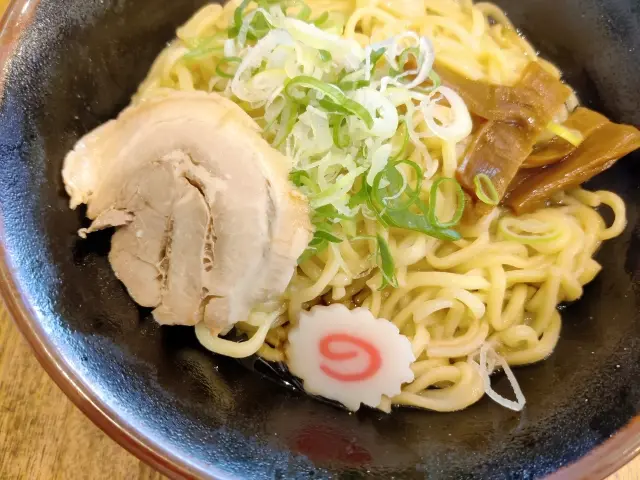
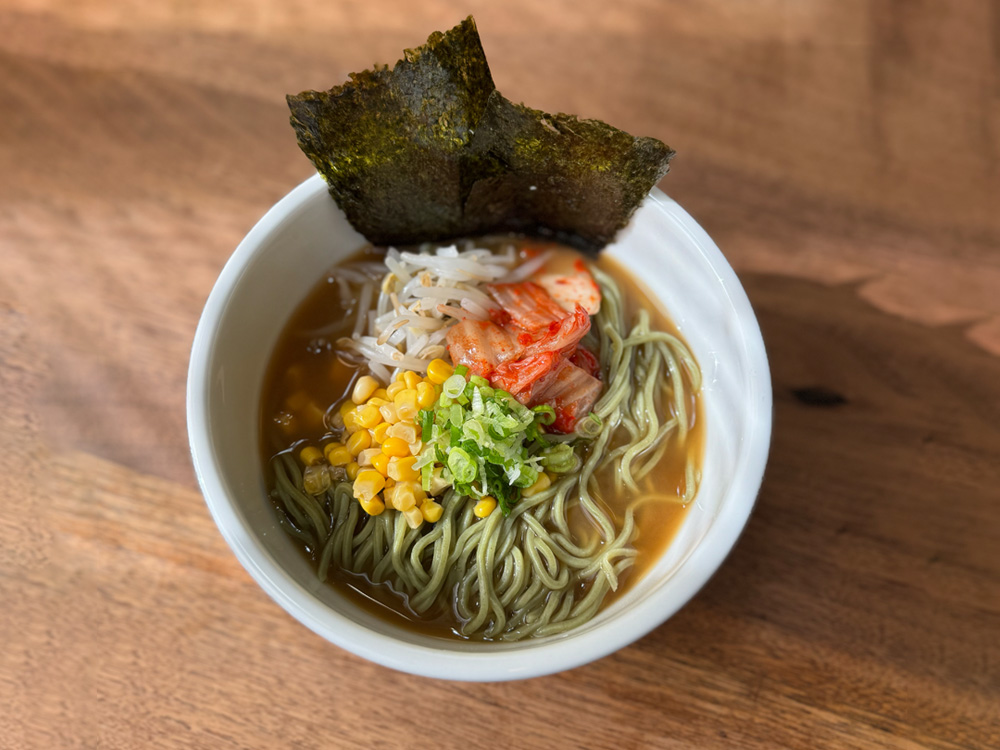
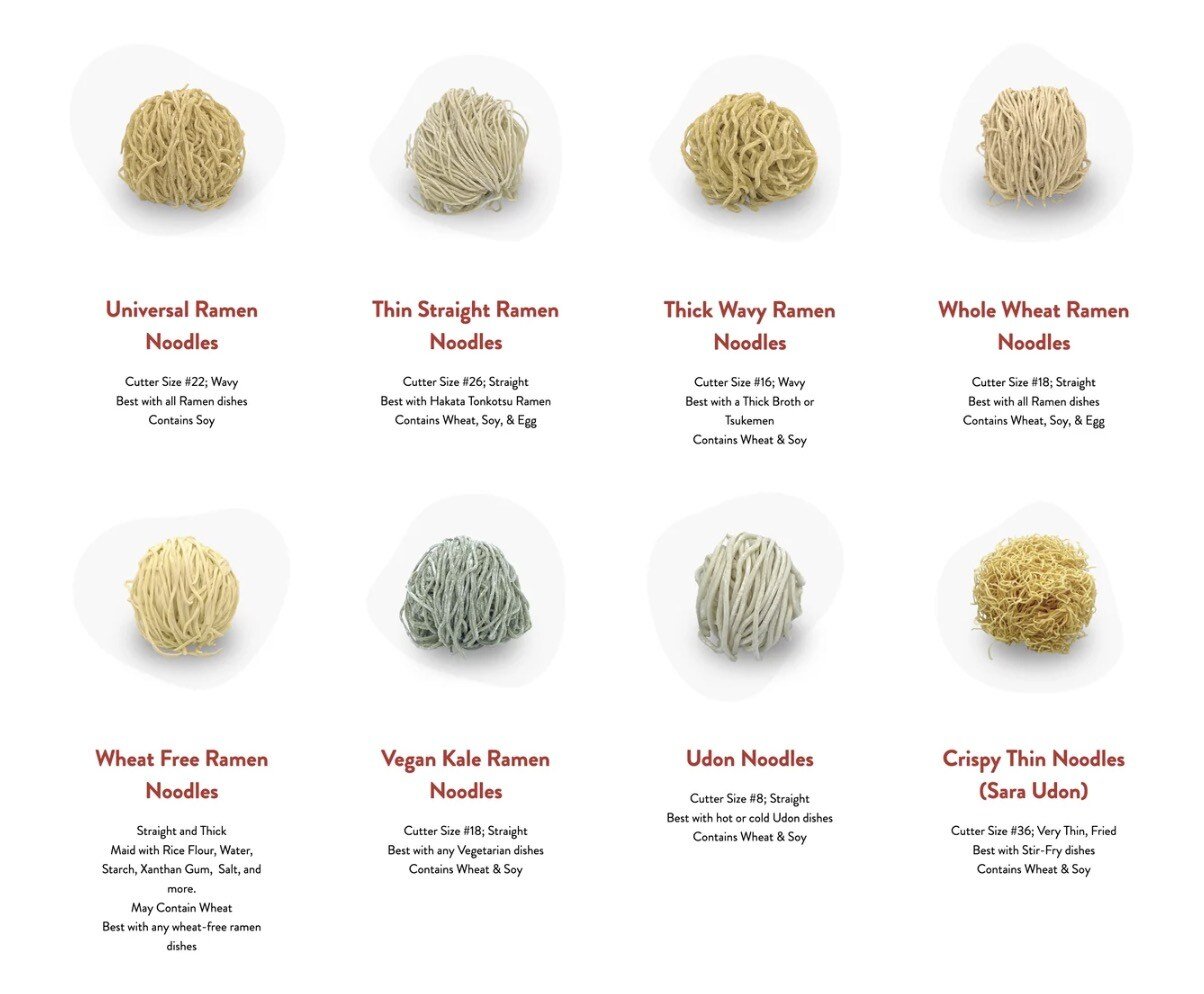
Before looking at the structure of ramen noodles, it helps to see how different noodle types appear in real dishes.
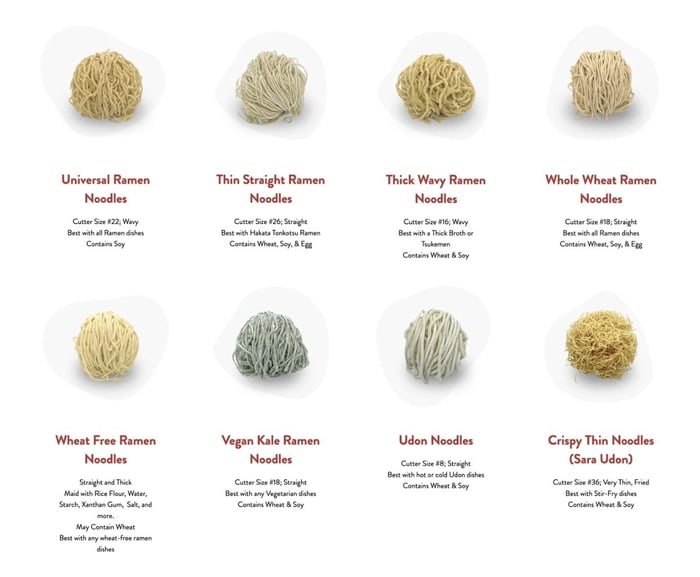
The image below highlights some of the most popular types of Yamachan's wholesale* ramen noodles, showcasing the diversity in shape, thickness, and ingredients. Whether you prefer a traditional wheat-based noodle or are looking for something different, like a wheat-free or vegetable-infused option, there's a noodle type to match every palate and dish.
Understanding the different types of ramen noodles can deepen your appreciation for this beloved dish and help you choose the perfect noodle for your next ramen creation. Dive into the world of ramen noodles and discover the subtle nuances that make each type special.
Key Elements of Ramen Noodles
The structure of ramen noodles is defined by four key elements: flour, hydration ratio, noodle cut, and noodle shape.
Flour
The type and quality of flour affect the texture and chewiness of the noodles.
Hydration Ratio
Hydration ratio determines how much water is incorporated into the noodle dough. Lower hydration creates firm, dense noodles, while higher hydration results in softer, more elastic textures.
Cut
Thickness and width play a crucial role in how noodles interact with the broth.
Shape
From straight to wavy, the shape influences the overall mouthfeel and soup absorption.
*Exclusively available to food service providers. Not offered for retail sale.