


2026 February 27

Ramen Insight
Recently, specialty shops serving aburasoba and mazemen have begun appearing outside Japan, generating considerable buzz. Although the two dishes may look similar at first glance, they are fundamentally different. In this article, we take a closer look at these often-confused brothless noodle styles and explain what sets them apart.
1. Soupless Noodle Dishes
Aburasoba and mazemen are both popular brothless noodle dishes in which noodles are enjoyed with sauce and oil. While they share the common practice of mixing noodles and ingredients directly in the bowl, they differ significantly in their origins, underlying philosophies, and ultimate flavor objectives.
- Aburasoba: This dish centers on three core elements—noodles, sauce, and oil—carefully structured to highlight the natural flavor and texture of the noodles themselves. Toppings are kept relatively simple, and the dish is designed with the expectation that diners will fine-tune the flavor using tabletop condiments.
- Mazemen: By contrast, mazemen is built through the deliberate combination of diverse ingredients and seasonings to create a complex, layered flavor profile within the bowl. It is defined by the way different textures and tastes emerge progressively as the dish is eaten.
In short, aburasoba can be described as “a dish where the noodles take center stage,” while mazemen is “a dish that achieves harmony through the interplay of ingredients and sauce.”
2. Distinct Identities Rooted in History
The differences between aburasoba and mazemen are deeply rooted in the circumstances of their creation.
- Aburasoba: A “Noodle-Centered” Culture Born in Student Districts
Aburasoba originated in the 1950s in the student neighborhoods of the Musashino area in Tokyo. At the time, there was strong demand among students for meals that were cheap, filling, and substantial. Omitting soup and serving noodles simply with sauce and oil met practical needs of cost and efficiency, but it also reflected a clear intention: to allow the natural flavor of the noodles themselves to be enjoyed without distraction. As a result, aburasoba came to be firmly positioned as a dish in which the noodles are the unquestioned main focus. - Mazemen: A “Junk-Style Invention” Born by Chance
Mazemen, by contrast, is a much more recent development. Its modern form traces back to 2008, with the creation of “Taiwan Mazesoba” at Menya Hanabi in Nagoya. The dish emerged when spicy minced meat originally intended for Taiwan Ramen was repurposed and served directly over noodles without broth. This led to a style built on layering diverse ingredients—such as chives, green onions, fish powder, garlic, and egg yolk—and unifying them through mixing. The intense, complex umami released when the entire bowl is combined made a strong impression, becoming the catalyst for mazemen to spread nationwide in many variations.
3. Key Differences Between Aburasoba and Mazemen
Although both are classified as soupless noodles and may appear similar at first glance, aburasoba and mazemen differ fundamentally in everything from design philosophy to flavor architecture. Below, their characteristics are compared across seven key dimensions.
Philosophy
- Aburasoba: Pursues the innate flavor of wheat by refining the core elements—noodles, sauce, and oil—into a style that is minimalist yet deeply expressive.
- Mazemen: Builds a complex, multi-layered flavor profile through the deliberate combination of diverse ingredients and seasonings.
The Star (Protagonist)
- Aburasoba: The noodles are the star. Sauce, oil, and toppings act strictly as supporting elements to highlight the noodles’ flavor and texture.
- Mazemen: The harmony of the entire bowl is the star. Emphasis is placed on the completeness achieved when noodles and multiple ingredients unite as one.
Appearance
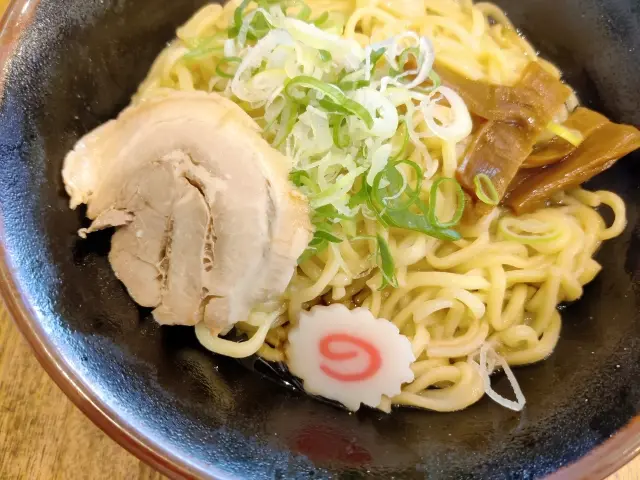
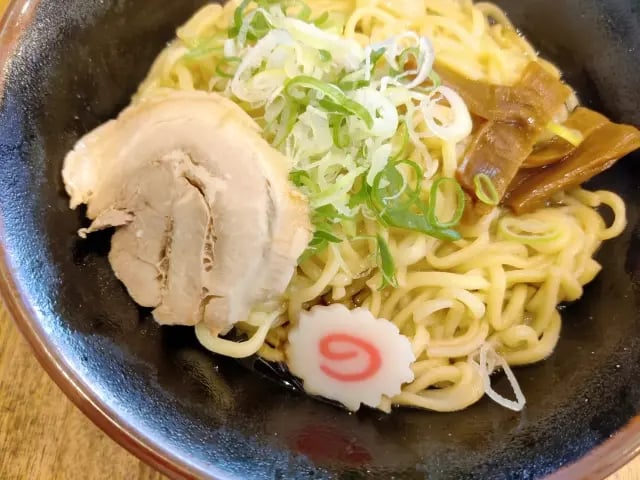
- Aburasoba: Visually restrained, dominated by the deep color of soy sauce with a limited number of ingredients, resulting in a clean and orderly presentation.
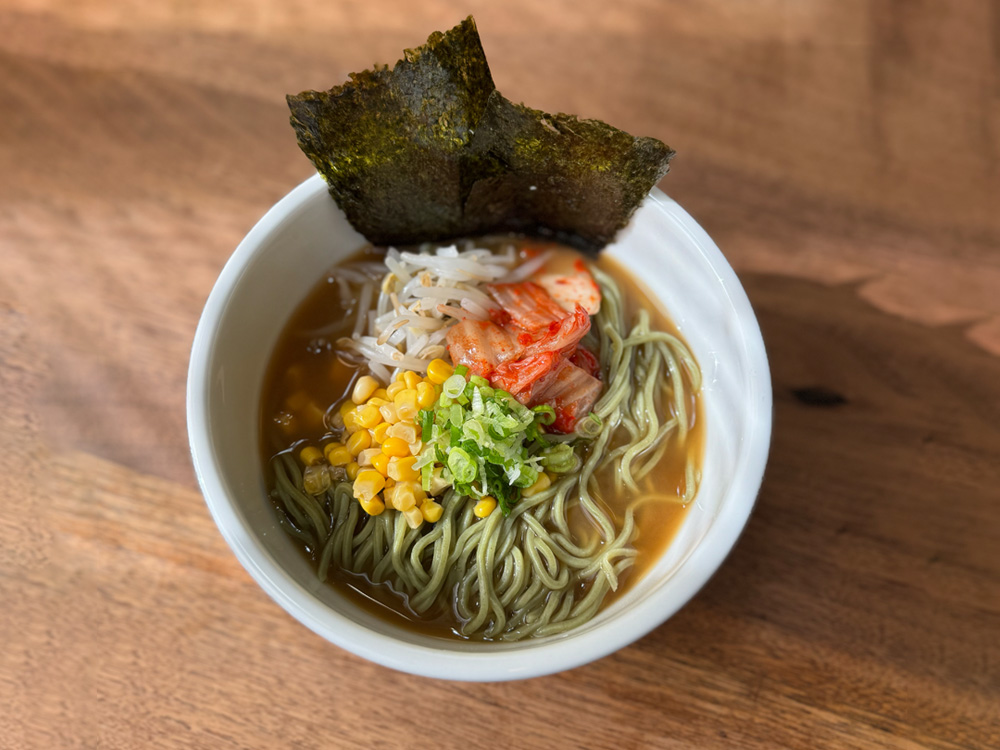
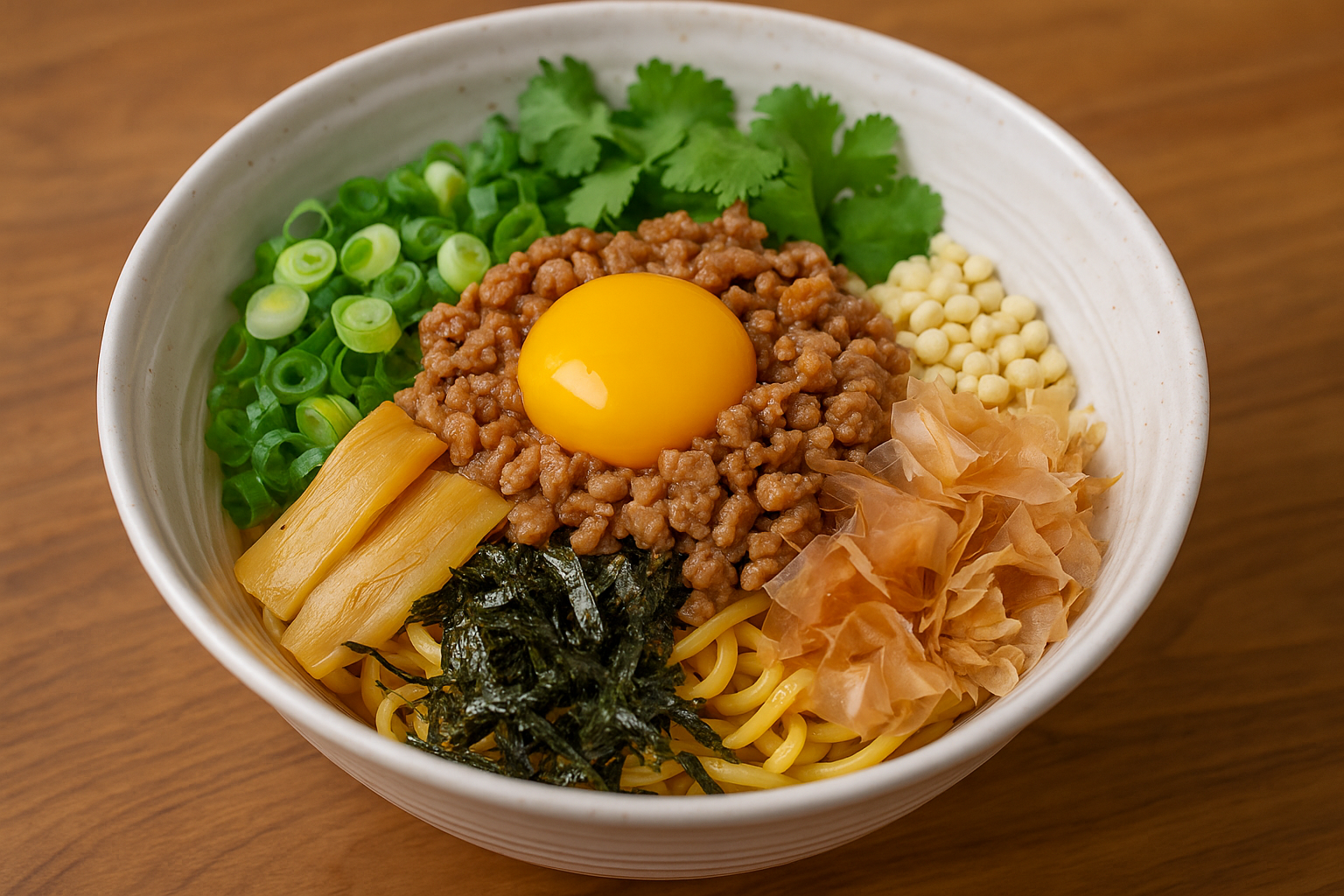
- Mazemen: Vibrant and visually dynamic, featuring elements such as bright egg yolk and green chives. The appearance is bold and complex.
Ingredients
- Aburasoba: Centers on unobtrusive ingredients such as chashu and menma, chosen to avoid distracting from the noodles themselves.
- Mazemen: Frequently incorporates assertive, “leading-role” ingredients such as spicy Taiwanese minced meat, fish powder, and cheese.
Sauce
- Aburasoba: Primarily soy sauce – based, designed with a clean, crisp profile that allows the natural flavor of the noodles to stand out.
- Mazemen: Often features thick, complex sauces combining soy sauce, miso, spices, and other elements, created with the assumption that they will integrate with the toppings.
Oil
- Aburasoba: Typically uses oils such as sesame oil, which play a stable, functional role in loosening the noodles and adding aroma.
- Mazemen: Commonly employs oils such as chili oil or Sichuan pepper oil, which play an active role in defining flavor direction through heat and fragrance.
Flavor Experience
- Aburasoba: Light and straightforward, allowing the flavor of the noodles to be perceived directly. The dish is intentionally open-ended, encouraging diners to adjust the taste with vinegar or chili oil.
- Mazemen: Rich and multi-layered, offering a flavor profile that is largely “complete” at the time of serving. Each bite reveals different nuances as the ingredients interact.
| Aspect | Abura Soba | Mazemen |
| Noodles | Medium-thick to thick curly noodles are standard, emphasizing wheat aroma and texture. | A wide range, including medium-thick to thick and flat noodles, designed to maintain strong presence against bold toppings and sauces. |
| Sauce | Primarily soy sauce–based. Even when animal or seafood stocks are added, the profile remains simple, prioritizing flexibility. | Multi-layered, using soy sauce, miso, and spices. Often combined with minced meat miso or fish powder to create strong individuality. |
| Oil | Sesame oil is central. Chicken fat or lard plays a supporting role, enhancing the noodles rather than dominating flavor. | Chili oil and Sichuan pepper oil bring heat and aroma to the forefront, determining the overall flavor direction. |
| Toppings | Chashu pork, bamboo shoots, green onions, nori—supporting elements that do not interfere with the noodles. | Taiwanese minced pork, egg yolk, cheese, fish powder, garlic—toppings themselves function as the main attraction. |
| Flavor Profile | Simple and light. Built around the noodles, with flavor adjusted using table condiments. | Rich and complex. Sauce and toppings are fully integrated, delivering layered flavors with every bite. |
| Concept | Places noodles at the center, stripping away excess elements. | Pursues complexity through the layering of toppings and seasonings. |
| Appearance | Restrained color palette and orderly presentation, giving a calm impression. | A lively, colorful presentation with reds, yellows, and greens from diverse toppings. |
4. The Science of Flavor: Simplicity vs. Complexity and the Structure of Umami
Why is there such a striking difference in the taste of these two dishes? The answer lies in their fundamentally different design philosophies for umami and aroma.
The Science of Aburasoba: Designing Umami as a “Line”
The flavor structure of aburasoba is simple and highly focused. Its aroma is dominated by volatile compounds from oils such as sesame oil or chili oil, while its umami core is centered on glutamic acid derived from the soy sauce–based tare.
To this foundation, acidity from vinegar and heat and aroma from chili oil—typically added by the diner just before eating—intersect to form a flavor profile organized along a single axis. Vinegar plays a crucial role in cutting through the heaviness of the oil, sharpening the overall impression and giving the dish a clean, crisp finish.
If compared to music, aburasoba resembles Gregorian chant—defined by clarity and beauty built around a single, uninterrupted melodic line.
The Science of Mazemen: Umami Synergy Spreading as a “Plane”
Mazemen, by contrast, is designed as a layered and expansive flavor experience built on the interaction of multiple umami sources:
- Inosinic acid from fish powder
- Glutamic acid from soy sauce and meat-based miso
- Richness (koku) derived from the lipids and proteins of egg yolk
When these elements are mixed together, they form a multi-layered umami architecture. Through synergistic interaction, a planar structure emerges—one in which multiple sensations spread outward and overlap simultaneously across the palate.
If aburasoba is a solo line, mazemen is an orchestra, where diverse components intertwine to create a rich, unified harmony.
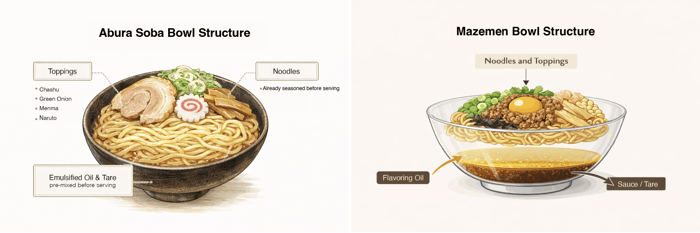
Abura Soba
Mazemen
5. Aburasoba or Mazemen - Your Choice
So which should you choose? The answer often depends on your mood and what kind of dining experience you’re looking for that day.
When Aburasoba Is the Right Choice
- True Noodle Lovers
Perfect for those who want to fully appreciate the aroma, texture, and aftertaste of the noodles themselves. - Seekers of Simplicity
Ideal if you’re craving a clean, timeless flavor that never feels heavy or tiring. - DIY Seasoners
For diners who enjoy gradually shaping the flavor by adding vinegar or chili oil to suit their own taste. - A Light Finish
Well suited for moments when you want a satisfying meal that ends cleanly, without excessive richness or greasiness.
When Mazemen Is the Right Choice
- Flavor Explorers
Ideal for those who enjoy bold flavors and the interplay of many different ingredients. - Seekers of Excitement
For diners who value the sense of energy and performance that comes from vigorously mixing the bowl before eating. - Lovers of Richness
Perfect if you want to experience layered flavor changes through additions like garlic, cheese, or mayonnaise.
In short, the choice comes down to the experience you want in that moment.
When you’re drawn to clarity and restraint, choose aburasoba.
When you’re craving complexity and stimulation, choose mazemen.
Both offer distinct pleasures—and both are best enjoyed when they match your mood.
6. Aburasoba or Mazemen? A Restaurant Owner’s Guide
For restaurant owners considering whether to add aburasoba or mazemen to their menu, the choice depends on factors such as target customers, operational structure, and overall value proposition. The following points offer practical guidance to help determine the best fit for your business.
Choosing by Target Demographic
Aburasoba
- Well suited for customers who value the quality and flavor of the noodles themselves.
- Popular not only among students and younger diners, but also with international customers seeking a simple, approachable Japanese noodle dish.
- Easy to position as an introductory brothless option for customers already familiar with ramen.
Mazemen
- Appeals to diners who enjoy variety, bold flavors, and diverse ingredients.
- Particularly attractive to trend-conscious customers who value visual impact, “SNS-worthiness,” and a sense of indulgence.
- Offers a novel eating experience that can help drive repeat visits.
Choosing by Operations and Cost Structure
Aburasoba
- Requires only prepared sauce and oil, along with relatively simple toppings.
- Highly efficient in terms of kitchen operations, as no soup preparation is needed.
- Makes it easier to maintain consistent quality while keeping food costs under control.
Mazemen
- Ingredient sourcing and prep can become more complex due to the variety of toppings involved.
- However, the structure allows for easy upselling through additional toppings or premium ingredients, increasing average check size.
- Customization options—such as spice levels or add-ons—can also encourage additional orders.
Choosing by Value Proposition and Differentiation
Aburasoba
- Differentiation can be achieved by emphasizing tradition and locality, for example by presenting it as Japan’s original soupless ramen, born in the Musashino area in the 1950s.
- Offers a participatory dining experience in which customers complete the dish themselves using tabletop condiments such as vinegar and chili oil.
Mazemen
- Promoting the specific identity of Taiwan Mazesoba (originating in 2008) helps position the dish as a modern, evolving noodle culture that resonates with younger audiences.
- Strong visual appeal through colorful toppings makes it ideal for social media exposure.
- In overseas markets, it also carries value as an exotic and distinctly Japanese food experience.
Strategic Positioning Considerations
- For efficiency and operational stability: Aburasoba is the better choice.
- For buzz, visual impact, and higher average checks: Mazemen is more effective.
- For broad market appeal: Offering both—using aburasoba as a core menu item and mazemen as a more expressive variation—allows restaurants to serve a wider range of customers and dining motivations.
Two Philosophies of Soupless Ramen: Abura Soba and Mazemen
Both Abura Soba and Mazemen are distinct masterpieces within the brothless noodle genre, yet they differ fundamentally in origin, philosophy, and design.
- Abura Soba is a "Cuisine of Subtraction"—stripping away the unnecessary to place the noodle at the center.
- Mazemen is a "Cuisine of Addition"—building complexity through layers of bold ingredients.
For diners, the joy lies in choosing the bowl that fits the moment. For restaurant owners, understanding this distinction is the key to creating smarter menus and richer dining experiences.