


2024 October 21
The Heart of Every Bowl
Ramen Insight
Authentic ramen soup is built from three essential components: broth, tare (seasoning sauce / soup base), and flavoring oil. Each plays a distinct role in shaping the bowl’s balance, depth, and aroma.
This article explains how these three elements work together to form ramen soup. Rather than focusing on a specific ramen style, it breaks down the structure behind the soup itself and why each component matters.
Whether you’re a home cook, a ramen enthusiast, or part of a food-service kitchen, understanding these fundamentals helps clarify how ramen flavor is built.
Understanding Ramen Soup: The Foundation of Flavor
The Role of Soup in Ramen
Ramen broth forms the foundation of every bowl of ramen. While noodles and toppings add texture and variety, the broth provides the base flavor that defines the overall character of the dish.
Depending on the ingredients used, ramen broth can be rich and creamy, light and clear, or deeply savory. However, broth alone does not create finished ramen soup. It works together with tare (seasoning sauce) and koumi abura (flavoring oil) to build the final balance of flavor, aroma, and mouthfeel.
Key Components of Ramen Soup, Broth, Tare, Koumi Abura
Ramen soup is a complex blend of various elements that work together to create its distinctive taste. Understanding these components is key to appreciating the art of ramen soup-making:
Dashi = Broth Base
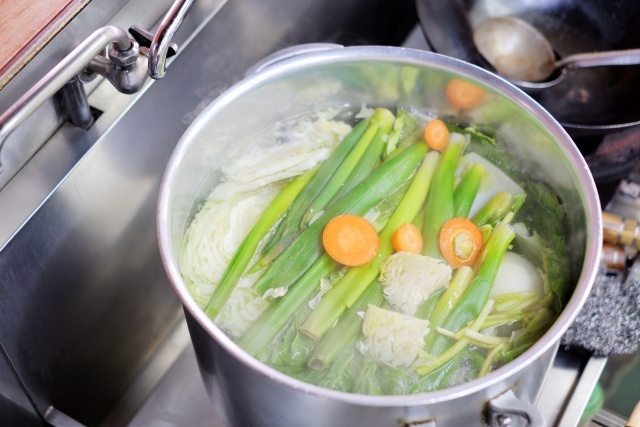
Dashi is the foundational liquid of ramen soup—an unsalted, flavor-neutral stock made by simmering ingredients such as pork bones, chicken, seafood, and vegetables. Unlike seasoned “broth” in Western cooking, ramen dashi serves strictly as the base that combines with tare (seasoning sauce) to create the final soup flavor. The choice of ingredients greatly affects the character of the bowl, from the rich opacity of tonkotsu-style stocks to the subtle clarity of chicken or seafood-based preparations.
In professional ramen kitchens, maintaining consistency in dashi is essential for stable daily operations.
Commercial Reference: Ramen Dashi for Food Service
For restaurant kitchens, this clear chicken broth is designed specifically for use as ramen dashi—allowing chefs to focus on tare balance while maintaining consistent soup quality.
→ See Clear Chicken Broth (Food Service Reference)
Available exclusively for food service customers. Not sold at retail.
Tare = Seasoning Sauce / Soup Base
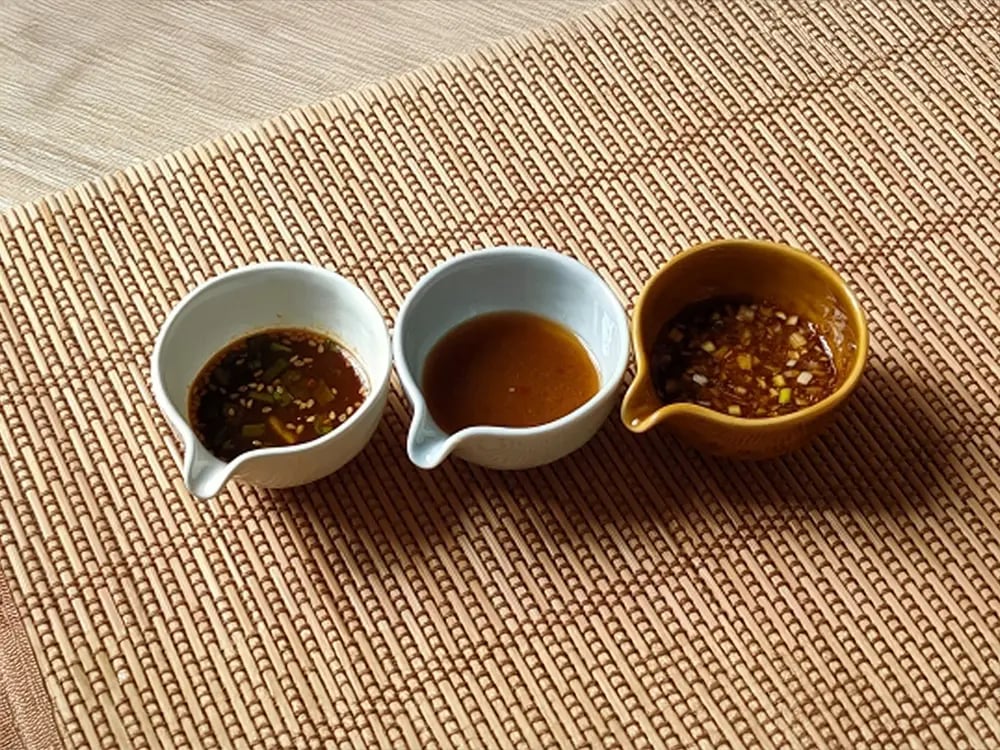
Tare is the concentrated seasoning that defines the soup’s final flavor—whether shoyu (soy sauce), miso, shio, or tonkotsu-style. Unlike dashi, which is unsalted and neutral, tare provides the saltiness, umami, and character of the bowl. It is mixed with hot dashi just before serving, creating the completed ramen soup. Many ramen shops treat their tare recipes as closely guarded signatures, refined over years.
For restaurant kitchens, controlling tare balance is essential for delivering consistent flavor across every bowl—especially in high-volume service where precision and repeatability matter.
Commercial Reference: Tare-Style Soup Bases for Food Service
For restaurant operations, Yamachan Ramen offers pre-seasoned soup bases designed to function as tare—allowing kitchens to deliver consistent shoyu ramen flavor with minimal preparation.
→ See Vegan Shoyu Ramen Soup Base (Food Service Reference)
Available exclusively for food service customers. Not sold at retail.
Koumi Abura = Flavoring Oil
Koumi abura is the aromatic oil added at the final stage of ramen preparation to enhance fragrance, richness, and mouthfeel. Common examples include garlic oil, scallion oil, or chicken-flavor oil—each bringing a distinct aromatic layer that highlights the broth’s depth. Even a small drizzle can transform the bowl, making koumi abura optional for home cooking but an essential component in most professional ramen kitchens for maintaining aroma, warmth, and overall balance.
For restaurant kitchens, managing aroma consistency is essential for delivering a finished bowl that feels complete from the first sip to the last.
Commercial Reference: Aromatic Flavoring Oils for Food Service
For professional ramen kitchens, Yamachan Ramen offers plant-based aromatic oils designed to function as koumi abura—adding fragrance and depth without clouding the broth.
→ See Vegan Chicken Flavor Oil (Food Service Reference)
Available exclusively for food service customers. Not sold at retail.

By understanding how broth, tare, and aromatic oils work together, you can see how ramen soup is built with intention—each element contributing a specific role in flavor, aroma, and balance. Whether you’re cooking at home or running a food-service kitchen, these fundamentals are the key to crafting consistently delicious bowls.