


2024 June 28
Shio Ramen
Ramen Style
Shio ramen is Japan’s lightest and most delicate ramen style, known for its clear, salt-seasoned broth and clean, bright flavor.
The word “shio” literally means “salt,” and this defines the seasoning base that brings out the natural taste of the ingredients rather than masking them with bold flavors.
Unlike heavier styles such as miso or tonkotsu, shio ramen highlights clarity—both in appearance and taste—allowing the broth, noodles, and toppings to shine in a balanced, understated way.
It is also one of Japan’s four major ramen styles, alongside shoyu, miso, and tonkotsu.
For a deeper look at how it compares to the other major types, explore our Four Pillars of Ramen guide.
Characteristics
Shio ramen is defined by its clear, lightly seasoned broth, which requires precise technique to extract flavor without cloudiness. Because the seasoning relies mainly on shio-dare (salt seasoning), even small adjustments in salt concentration or broth extraction can significantly change the final result—making shio ramen one of the most technically demanding styles.
Its clean and subtle taste allows the natural umami of chicken, seafood, kombu, or a blend of stocks to stand out without overpowering richness. Many shops use a light aroma oil, such as chicken oil or seafood oil, to enhance fragrance while preserving the broth’s purity.
This balance-driven approach gives shio ramen a refined, elegant profile that appeals to diners seeking a gentle yet expressive bowl, where every element contributes to clarity and harmony.
Explore other major Japanese ramen styles: Shoyu Ramen ・ Miso Ramen ・ Tonkotsu Ramen
Noodle Type
Shio ramen typically uses thin or medium-thin noodles that complement the broth’s delicate flavor. Their lighter texture allows the clear broth to cling evenly without overwhelming the palate.
Some shops prefer straight noodles for a cleaner mouthfeel, while others use slightly wavy noodles to help capture more broth in each bite.
Because shio ramen is subtle in taste, the choice of noodle thickness and hydration level plays a major role in balancing saltiness, aroma, and overall clarity of the bowl.
Broth: Clear, Balanced Stock with Shio-Dare Seasoning
The broth in shio ramen is built on a clear, delicately extracted stock—often chicken, seafood, or a blend of both. Because the seasoning is minimal, the quality of the base broth becomes especially important. Any imbalance or cloudiness is immediately noticeable, making shio ramen one of the most technically precise styles to prepare.
In Japanese ramen-making, the soup Dashi (broth base) itself is unsalted and unseasoned. Flavor is added through the Tare (seasoning sauce or soup base), a salt-based seasoning that defines the overall taste of shio ramen. This separation allows chefs to highlight subtle umami while keeping the soup bright, clean, and transparent—an approach that is most clearly expressed in shio ramen. Some shops also finish the bowl with a small amount of Koumi Abura (flavoring oil), such as chicken oil (chī-yu) or seafood-based oils—to elevate fragrance without adding heaviness.
The result is a bright, expressive broth that highlights subtle umami and showcases the natural flavors of its ingredients—core traits that distinguish shio ramen from richer styles.
To better understand how broth, tare, and flavoring oil function as separate elements in ramen—and why this structure is especially important in styles like shio ramen—see:
→ What Is Ramen Soup Made Of? Broth, Tare & Oil Explained
Toppings and Additional Condiments
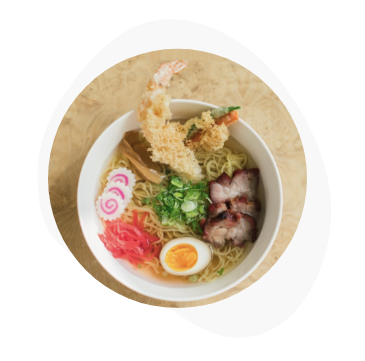
Shio ramen is often topped with a variety of ingredients that enhance its delicate, clean flavor profile.
Typical toppings include:
-
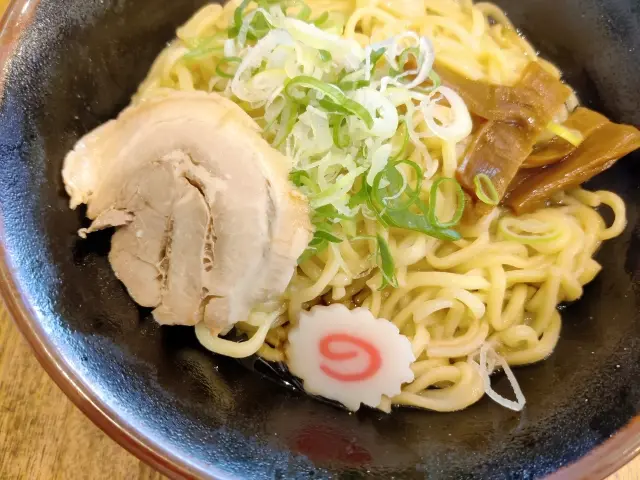
Chashu (braised pork) — adds a gentle richness without overpowering the light broth.
-
Menma (fermented bamboo shoots) — provides a mild, pleasant crunch.
-
Ramen eggs — offer a soft, savory accent that complements the clear soup.
-
Nori (seaweed) — contributes aroma and a subtle ocean-like umami.
-
Green onions — brighten the bowl with freshness and fragrance.
Additional toppings and condiments sometimes used in shio ramen:
-
Sesame seeds — add a soft nuttiness that pairs well with the broth’s clean flavor.
-
Freshly minced garlic — available at some shops for diners who prefer a sharper, bolder note.
-
Umeboshi (pickled plum) — provides a tangy, unique contrast that accentuates the broth’s clarity.
-
Yuzu (citrus) — adds refreshing aroma and brightness, highlighting the dish’s light, uplifting qualities.
History
Shio ramen traces its origins to early 20th-century Japan, where it first appeared in the port city of Hakodate in Hokkaido.
Access to fresh seafood and clear stocks made the region a natural birthplace for a light, salt-seasoned ramen style.
As ramen culture spread nationwide, shio ramen evolved beyond its coastal roots. Different regions adapted the style in their own way—some incorporating chicken-based broths, others adding subtle aromatics—while still preserving the defining simplicity of a salt-forward seasoning.
By the mid-century, shio ramen had become a familiar presence across Japan, recognized for its versatility and its ability to reflect the ingredients and preferences of each locale. Today, it remains one of the country’s enduring ramen traditions, offering a gentle contrast to richer modern styles.
Types & Regional Variations
Shio ramen has fewer rigid “types” than miso or tonkotsu, but subtle regional differences have shaped its character across Japan.
Here are some of the most recognized variations:
Hakodate-Style Shio Ramen
Often considered the birthplace of shio ramen, Hakodate’s version features a clear, pale-golden broth made from pork, chicken, and kelp. The flavor is clean and understated, pairing well with straight, medium-thin noodles.
Tokyo-Style Shio Ramen
Tokyo’s take is usually chicken-forward, sometimes blended with seafood stock. The broth is light but savory, and often finished with chicken oil for aroma.
Kyushu-Style Light Shio Ramen
Although Kyushu is widely known for its rich tonkotsu ramen, some regional shops serve a lighter shio variation built on clear seafood-based stock, such as flying fish (ago) or dried sardines (iriko).
The result is a crisp, mineral-forward broth that maintains the clean salted finish of shio ramen while reflecting Kyushu’s strong seafood culture.
Okinawa-Style Shio (Okinawa Soba Influence)
While not traditionally classified as ramen, Okinawa soba shares elements with modern shio ramen, making it a meaningful regional comparison.
Its clear broth blends pork bone stock with katsuobushi (bonito flakes), producing a light, savory soup seasoned with salt.
This creates a refreshing island-style interpretation that aligns with the clarity and subtlety often associated with shio ramen.
Modern & Local Variations
While shio ramen has its roots in classic, lightly seasoned broths, modern ramen culture has inspired new interpretations that build on the style’s clean and subtle foundation. These contemporary versions maintain the clarity and balance of traditional shio ramen while introducing fresh ingredients, techniques, and regional preferences.
Citrus-Infused Shio
Many shops now brighten the broth with Japanese citrus such as yuzu or sudachi, adding a delicate aroma and refreshing acidity that complements the salt-forward seasoning.
Seafood-Enhanced Shio
Some modern interpretations amplify the umami with added shellfish stock, dried scallops, or shrimp-based dashi. These bowls maintain transparency while offering a deeper, ocean-forward flavor.
Vegetable-Focused Shio
In response to lighter and plant-focused dining preferences, chefs sometimes create broths centered on kombu, shiitake, or root vegetables, resulting in a clean, naturally sweet profile that still aligns with the spirit of shio ramen.
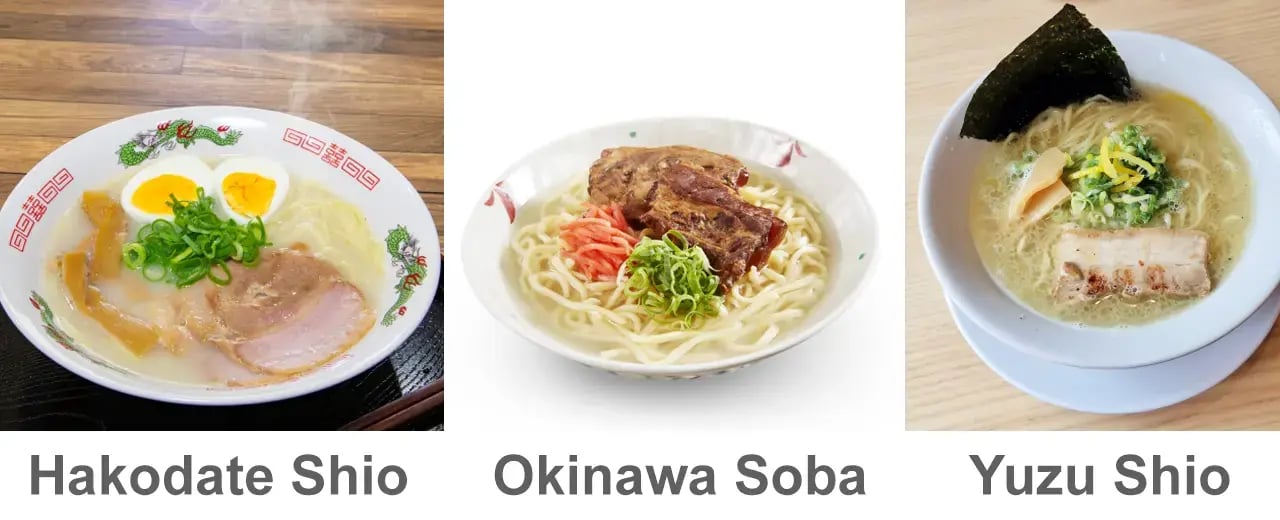
These modern and local variations highlight the versatility of shio ramen, showing how its simple foundation can evolve while staying true to its clean, balanced character.
Yamachan Ramen Related Wholesale Products: