


2024 June 28
MISO RAMEN
Ramen Style
Miso ramen is one of Japan’s four major ramen styles, known for its rich, savory flavor and hearty, full-bodied broth. Originating in Sapporo, it has become especially popular for its deep umami and comforting warmth.
Its distinctive taste comes from a blend of miso paste and aromatic oils, creating a thick, flavorful soup that sets it apart from lighter ramen styles like shoyu or shio.
To explore the other foundational ramen styles, see our guide to Japan’s Four Pillars of Ramen.
Characteristics
Miso ramen uses a concentrated miso tare made from red, white, or blended miso. Red miso creates a deeper, more robust flavor, while white miso produces a milder, slightly sweet profile. Many shops blend the two to achieve balance and complexity.
A defining feature of miso ramen is its distinctive cooking method. Aromatics and vegetables are sautéed in a wok before broth and miso tare are added, allowing the ingredients to caramelize.
This technique gives the soup its signature richness, aroma, and layered depth.
Because of this bold, full-bodied soup structure, miso ramen is commonly paired with thicker, wavy noodles that can stand up to the intensity of the miso-based broth.
The noodle choice is part of the overall design, ensuring the soup, tare, and noodles work together as a cohesive bowl.
To explore how miso ramen differs from Japan’s other major styles, you can also read about Shoyu Ramen, Shio Ramen, and Tonkotsu Ramen.
Noodle Type
Noodles used in miso ramen are typically medium-thick to thick and wavy, with a slightly chewy texture. Their shape helps trap the rich soup, while their structure prevents them from being overwhelmed by the concentrated miso tare.
These noodles are often made with a relatively higher hydration level, which contributes to their springy bite and resilience in hearty soups.
This balance of thickness, texture, and hydration allows each bite to carry both the noodle’s presence and the depth of the miso broth.
For a deeper explanation of how noodle hydration and texture affect their compatibility with rich soups like miso ramen, please refer to this article:
→ Ramen Noodles and Hydration Ratio blog
Toppings
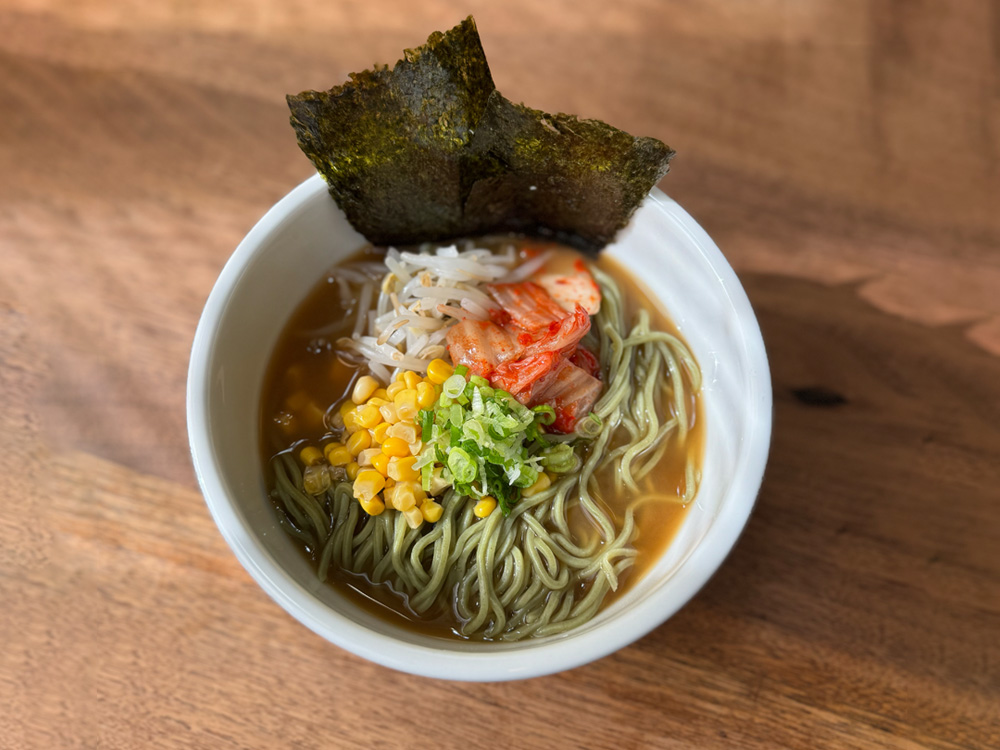
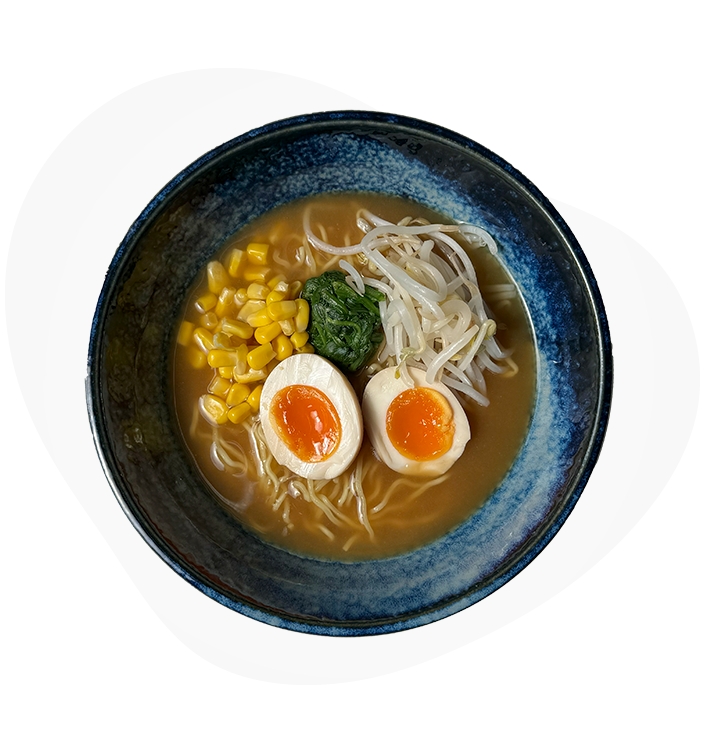
Common toppings for miso ramen include ground pork or minced meat, which adds an additional layer of richness to the dish. Other popular toppings include corn, which provides a sweet contrast, butter, which enhances the creaminess of the broth, bean sprouts, which add a crunchy texture, and green onions. Some variations also include a ramen egg, nori (seaweed), and menma (fermented bamboo shoots) for added umami.
History
Miso ramen is a relatively modern addition to the ramen family, originating in Hokkaido, Japan's northernmost island, in the mid-20th century. Sapporo, the capital city of Hokkaido, is particularly famous for pioneering this style of ramen. The cold climate of Hokkaido inspired the creation of a richer, heartier ramen that could provide warmth and sustenance, leading to the development of miso ramen.
The exact origins are often attributed to the late 1950s when a customer at a ramen shop in Sapporo requested a bowl of ramen with miso added to the soup. The combination was an instant hit, and soon, miso ramen spread in popularity throughout Japan and eventually the world. Today, it stands as one of the most beloved and distinctive ramen styles, celebrated for its depth of flavor and its ability to satisfy even the heartiest of appetites.
Types & Regional Variations
Miso ramen has evolved into a wide range of regional and stylistic variations across Japan, each shaped by local tastes, ingredients, and culinary traditions. While all versions share a miso-based broth at their core, the flavor, aroma, and richness can differ greatly depending on the region and the type of miso used.
Sapporo Miso Ramen (Hokkaido) — The Classic Style
Originating in Sapporo, the birthplace of miso ramen, this style features a robust, full-bodied broth made by blending miso with pork or chicken stock. Often prepared in a wok to deepen the aroma, Sapporo miso ramen commonly includes toppings such as ground pork, butter, corn, bean sprouts, and green onions—creating a hearty bowl especially popular in colder climates.
Asahikawa Miso Ramen — Deeper and More Complex
In Asahikawa, miso ramen often incorporates soy sauce or darker stocks, resulting in a deeper, more complex flavor profile. Compared to Sapporo’s version, Asahikawa’s miso ramen tends to be slightly richer, with a balanced blend of umami, aroma, and savory depth.
Sendai & Northern Japan — Bold Red Miso Profiles
Sendai and northern regions frequently use akamiso (red miso), known for its bold, savory intensity. These bowls typically have a more assertive, salty-umami richness, making them especially satisfying for those who enjoy strong, full-bodied flavors.
Shinshu & Central Japan — Smooth White Miso Styles
In the Shinshu region and parts of central Japan, shiromiso (white miso) varieties are common. These produce a lighter, smoother, and slightly sweeter broth with a mellow, rounded taste. This style highlights miso’s natural fermentation aroma without overwhelming the palate.
Modern and Local Variations
Across Japan, chefs continue to create new interpretations of miso ramen.
Some regions blend miso with other seasonings—such as soy sauce, seafood stock, or spicy chili oils—to create hybrid flavors.
-
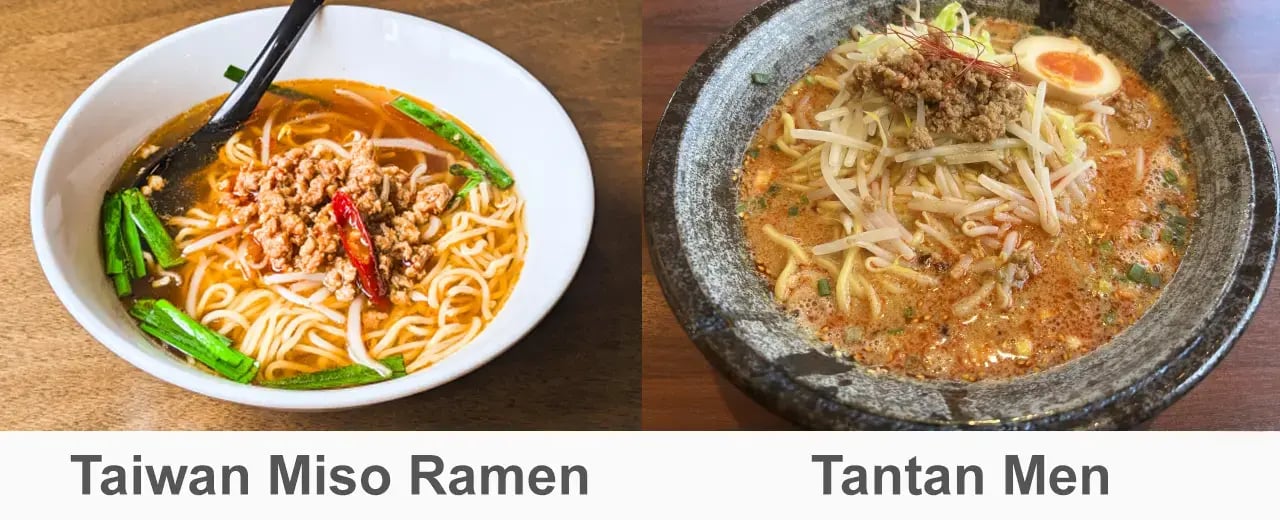
Nagoya’s Taiwan Ramen–inspired miso bowls combine miso broth with fiery toppings for a bold and spicy twist.
-
Tantanmen, while not traditionally classified as miso ramen, is sometimes prepared with miso-enhanced sesame broth, creating a rich, aromatic variation enjoyed in many modern shops.
What Unifies These Variations
Despite the diversity, all miso ramen styles share a defining characteristic:
a savory, umami-rich broth built around fermented soybean paste, offering warmth, depth, and a comforting richness that sets miso ramen apart from other Japanese ramen styles.
Want to see how classic miso ramen comes together in practice?
Explore our traditional miso ramen recipe, focused on fundamental technique and balanced flavor rather than modern twists.
If you're looking to explore miso ramen beyond theory, here are some Yamachan products related to this style.
Yamachan Retail Products:
Yamachan Ramen Related Wholesale Products: