


2024 August 07
Tonkotsu Ramen
Ramen Style
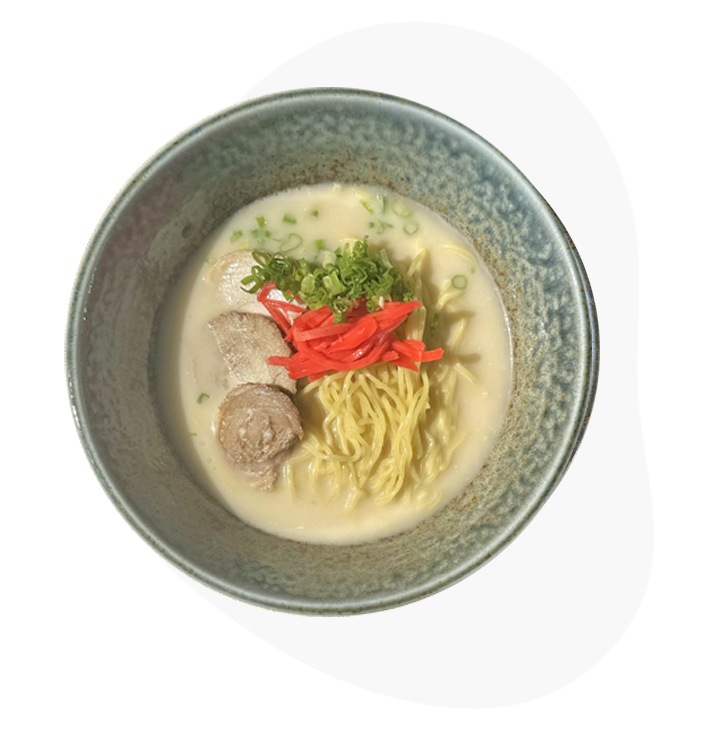
Tonkotsu ramen is one of Japan’s most iconic and richly flavored ramen styles, originating in Kyushu and known for its creamy, milky-white broth made by simmering pork bones for many hours. The result is a deeply satisfying soup with an unmistakable richness and aroma that sets it apart from other ramen types.
Its bold, hearty character has made tonkotsu ramen a favorite both in Japan and internationally, especially among those who enjoy a deeply savory, full-bodied bowl.
Tonkotsu is also recognized as one of Japan’s four main ramen styles.
See a quick overview of all four styles, Japan’s 4 main ramen styles.
Characteristics
Tonkotsu ramen is defined by its long, high-heat simmering of pork bones, which produces a rich and savory broth that distinguishes it from other ramen styles. This slow cooking process extracts deep flavor and creates the foundation of the dish’s signature character.
Beyond the broth itself, each bowl reflects the choices of the ramen shop—ranging from the type of bones used to the seasoning base (tare) that adjusts saltiness and overall balance. These decisions create subtle variations while staying true to tonkotsu’s comforting, full-bodied identity.
Explore other major Japanese ramen styles: Shoyu Ramen ・ Shio Ramen ・ Miso Ramen
Tonkotsu Broth: Why It’s White, Creamy, and Deeply Flavorful
Tonkotsu broth is famous for its milky-white color, velvety texture, and deep umami—but these hallmarks aren’t created by adding dairy or thickening agents. Instead, they come from a unique cooking technique that transforms simple pork bones into an exceptionally rich and flavorful soup.
Even in tonkotsu ramen—where the broth itself is emulsified—the fundamental structure of ramen remains the same: broth, tare, and aroma oil working together as separate elements.
→ What Is Ramen Soup Made Of? Broth, Tare & Oil Explained
Why the Broth Turns White
The signature white color of tonkotsu broth comes from emulsification—a process where pork fat, collagen, and marrow break down during long, high-heat boiling. As the bones are rapidly agitated, these elements disperse into microscopic particles that remain suspended in the broth, giving it its cloudy, opaque appearance.
Some regions, such as Hakata and Kurume, intentionally create an intensely cloudy broth, while others may produce a slightly lighter version depending on cooking style and bone selection.
Why It Tastes So Creamy
Tonkotsu’s creaminess also comes from emulsification, combined with the breakdown of collagen and connective tissues within the pork bones. As collagen melts, it creates a smooth, silky mouthfeel that coats the palate without feeling heavy. The result is a broth that is both rich and surprisingly easy to enjoy—savory, comforting, and full-bodied.
What’s Inside Tonkotsu Broth
A traditional tonkotsu broth is typically made from a combination of pork bones such as genkotsu (leg bones), back bones, and sometimes head bones for added depth. These are simmered alongside aromatics like garlic, onion, ginger, and green onions, which enhance the broth’s aroma without overpowering its natural pork flavor.
The specific blend of bones and aromatics varies by region and shop, contributing to the subtle differences found between Hakata-style, Kurume-style, and other Kyushu variations.
Flavor Profile
Tonkotsu ramen delivers a uniquely rich and comforting flavor that sets it apart from other Japanese ramen styles. While the broth looks heavy, its taste is surprisingly balanced—deeply savory, aromatic, and satisfying without overwhelming the palate.
A Deep, Savory Umami Base
The foundation of tonkotsu’s flavor comes from pork bones simmered for hours until collagen, marrow, and fat break down into the broth. This creates a concentrated umami character with a gentle sweetness and a lingering richness that feels both bold and approachable.
Aroma and Texture That Define the Experience
The aroma of tonkotsu is warm and comforting, with notes of savory pork, garlic, and slowly simmered aromatics. Its creamy, velvety texture enhances each sip, allowing the flavors to coat the palate and pair beautifully with thin Hakata-style noodles or slightly thicker regional variations.
Regional Differences in Flavor
Although tonkotsu is often associated with Hakata ramen, its flavor varies across Kyushu.
-
Hakata-style tends to be cleaner and more straightforward, highlighting pure pork flavor.
-
Kurume-style is often richer and more intense, using a blend of fresh and recycled broth (yobimodoshi) for deeper complexity.
These subtle differences help explain why tonkotsu ramen enjoys such a wide appeal, adapting to local preferences while maintaining its signature creamy character.
Noodle Shape
The noodles used in tonkotsu ramen are typically thin and straight, a perfect complement to the dense and creamy broth. These thin noodles are designed to be slurped quickly, allowing the eater to enjoy the broth’s intense flavor with every bite. The texture of the noodles is firm, with a slight chewiness that holds up well in the rich broth.
However, noodle thickness can vary depending on the style.
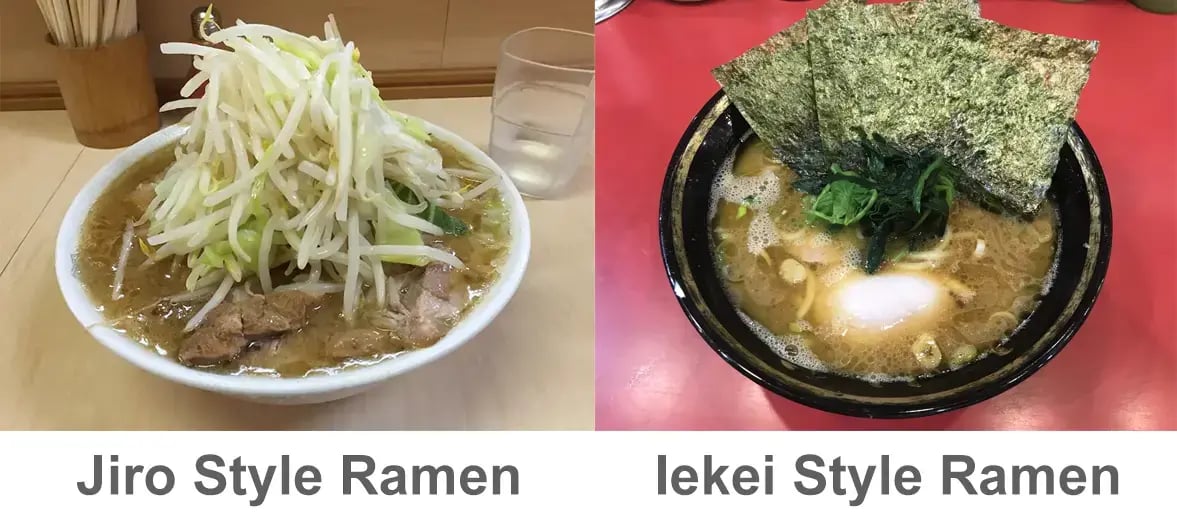
Hakata-style tonkotsu uses very thin, straight noodles, while Yokohama iekei ramen typically uses thicker noodles, and Jiro-style ramen features extra-thick noodles to match its bold, hearty broth.
Toppings and Additional Condiments
Tonkotsu ramen is often topped with chashu, which adds even more richness to the dish. Other common toppings include ramen eggs known as ajitama, with creamy, slightly runny yolks, kikurage (wood ear mushrooms) for a bit of crunch, and green onions for a fresh, sharp contrast to the richness of the broth.
To further enhance the flavor, many enjoy adding sesame seeds, which contribute a subtle nutty aroma and a slight crunch. Freshly minced garlic is another popular addition, adding a pungent kick that pairs beautifully with the rich broth. Takana, a type of pickled mustard greens, is often served as a condiment on the side, offering a spicy, tangy flavor that cuts through the creaminess of the soup and adds a refreshing balance.
Some versions also include mayu (black garlic oil), which adds a smoky depth to the dish, and beni shoga (pickled ginger), which provides a tangy counterbalance to the creamy broth.
History
Tonkotsu ramen has its origins in the Kyushu region of Japan, specifically in Fukuoka Prefecture, where it was developed in the Hakata district. The creation of tonkotsu ramen is closely linked to the food stalls (yatai) culture of Fukuoka, where vendors needed to prepare food quickly for busy workers. The pork bone broth was a practical solution, as it could be left simmering all day, ready to serve when customers arrived.
The dish first gained popularity in the 1940s and 1950s as a cheap and hearty meal, perfect for satisfying the appetites of laborers. Over time, tonkotsu ramen spread beyond Fukuoka, becoming one of the most popular ramen styles across Japan and internationally. Today, Hakata-style ramen is celebrated worldwide, known for its luxurious broth and simple yet satisfying combination of flavors and textures.
Variations
- Jiro-style Ramen: A Hearty, Bold Variation
- Yokohama Iekei Style Ramen: The Fusion of Tonkotsu and Shoyu
Tonkotsu Ramen FAQ
Q: Why is tonkotsu broth white?
A: Tonkotsu broth becomes white through a process called emulsification. As pork bones simmer at high heat, fat, collagen, and marrow break down and disperse into the liquid, creating a cloudy, milky appearance. No dairy or thickening agents are used—just bone, heat, and time.
Q: What makes tonkotsu broth creamy?
A: Its creaminess comes from melted collagen and fat that emulsify into the broth during long, vigorous boiling. This process creates a rich, velvety texture that coats the palate without feeling overly heavy.
Q: What bones are used for tonkotsu ramen?
A: Traditional tonkotsu broth is made from a blend of pork bones such as genkotsu (leg bones), back bones, and sometimes head bones. These provide depth, umami, and the signature richness associated with Hakata- and Kurume-style ramen.
Q: Is tonkotsu ramen spicy?
A: Classic tonkotsu ramen is not spicy. Its flavor is savory, aromatic, and pork-forward. However, some shops offer spicy variations using chili oils or spicy condiments added at the table.
Q: What toppings go well with tonkotsu ramen?
A: Popular toppings include chashu pork, ajitama (ramen eggs), green onions, kikurage mushrooms, sesame seeds, and freshly minced garlic. Regional or shop variations may add takana (pickled mustard greens), mayu, or beni shoga for extra depth and contrast.
Here are the Yamachan products related to tonkotsu ramen.
Yamachan Retail Products: